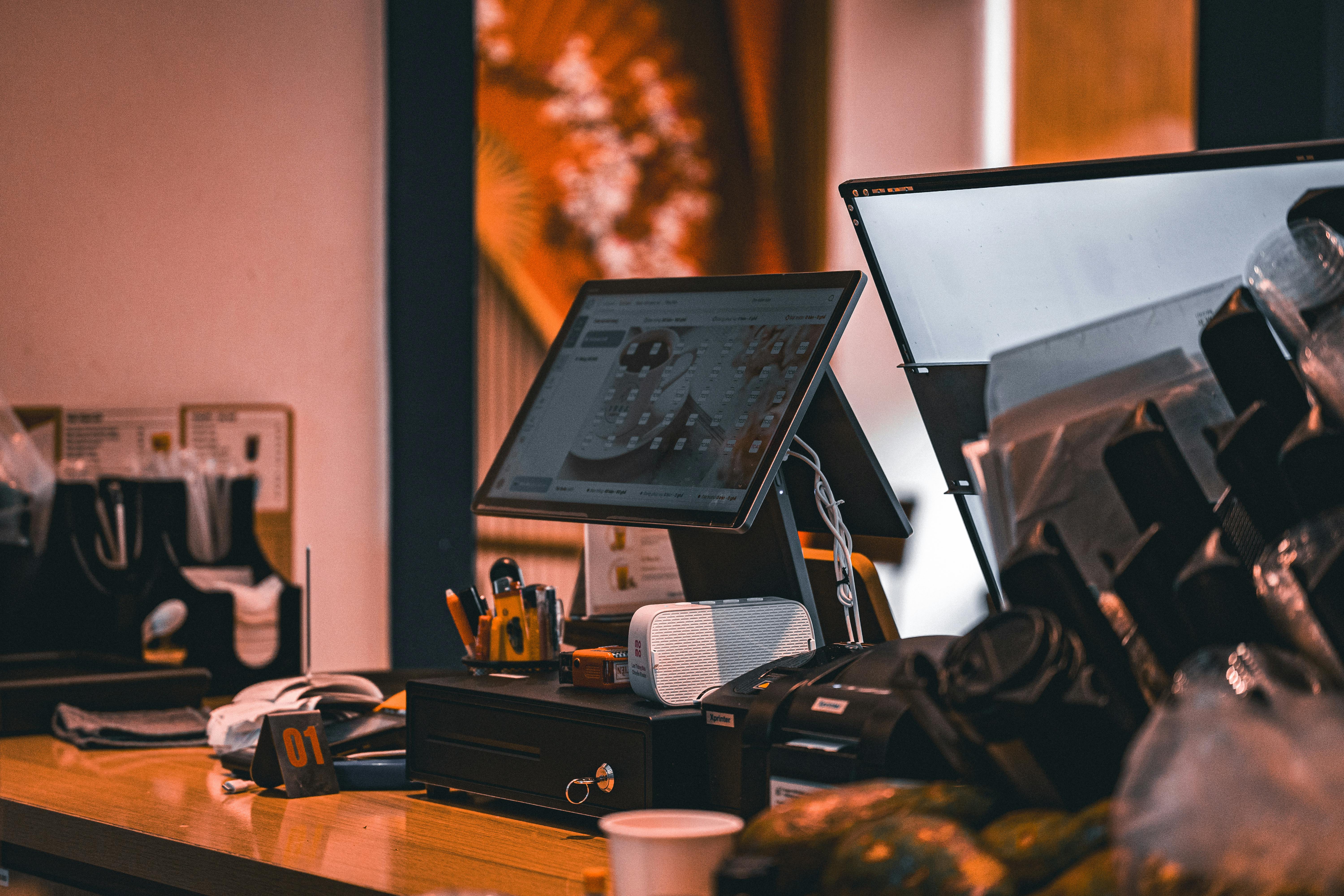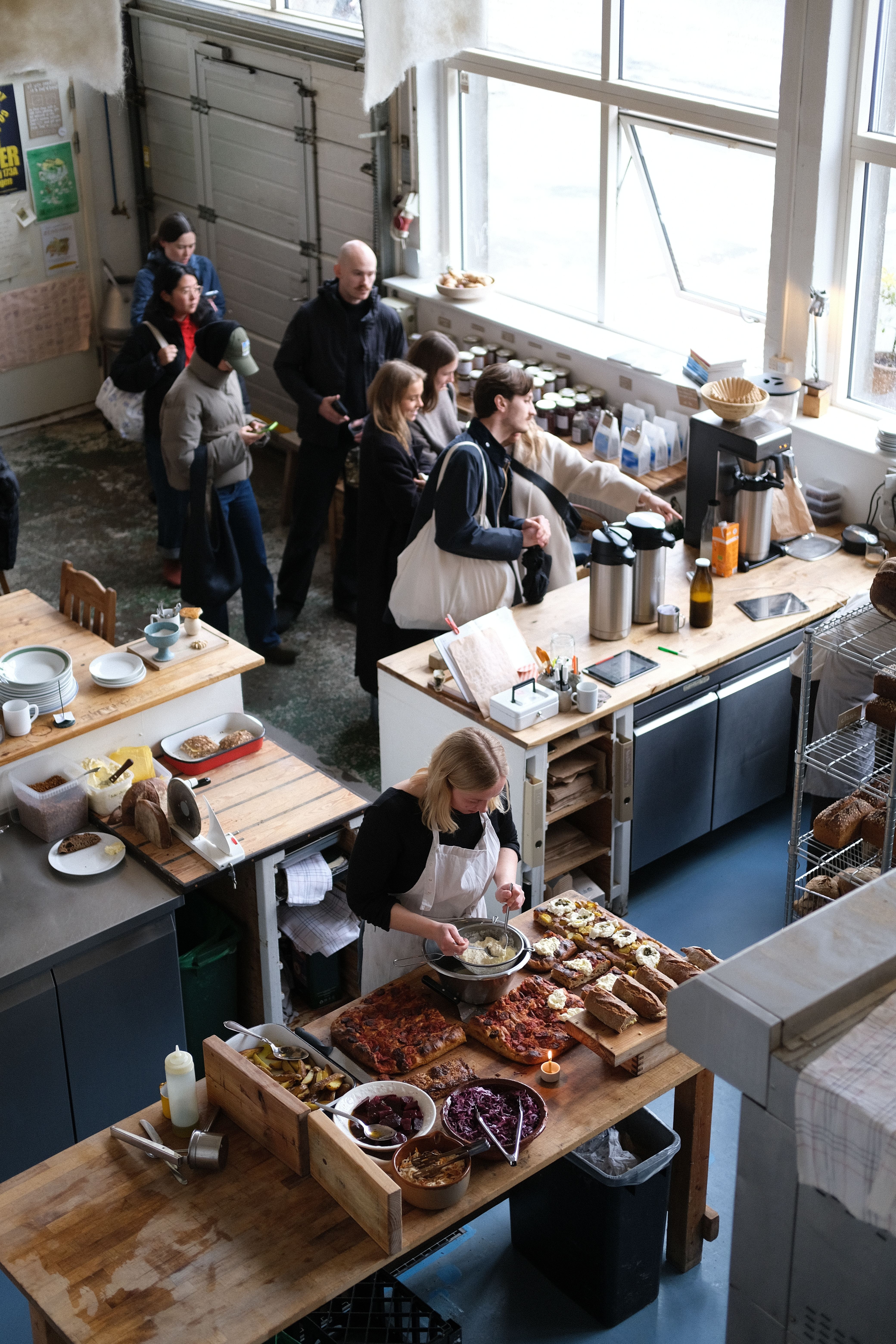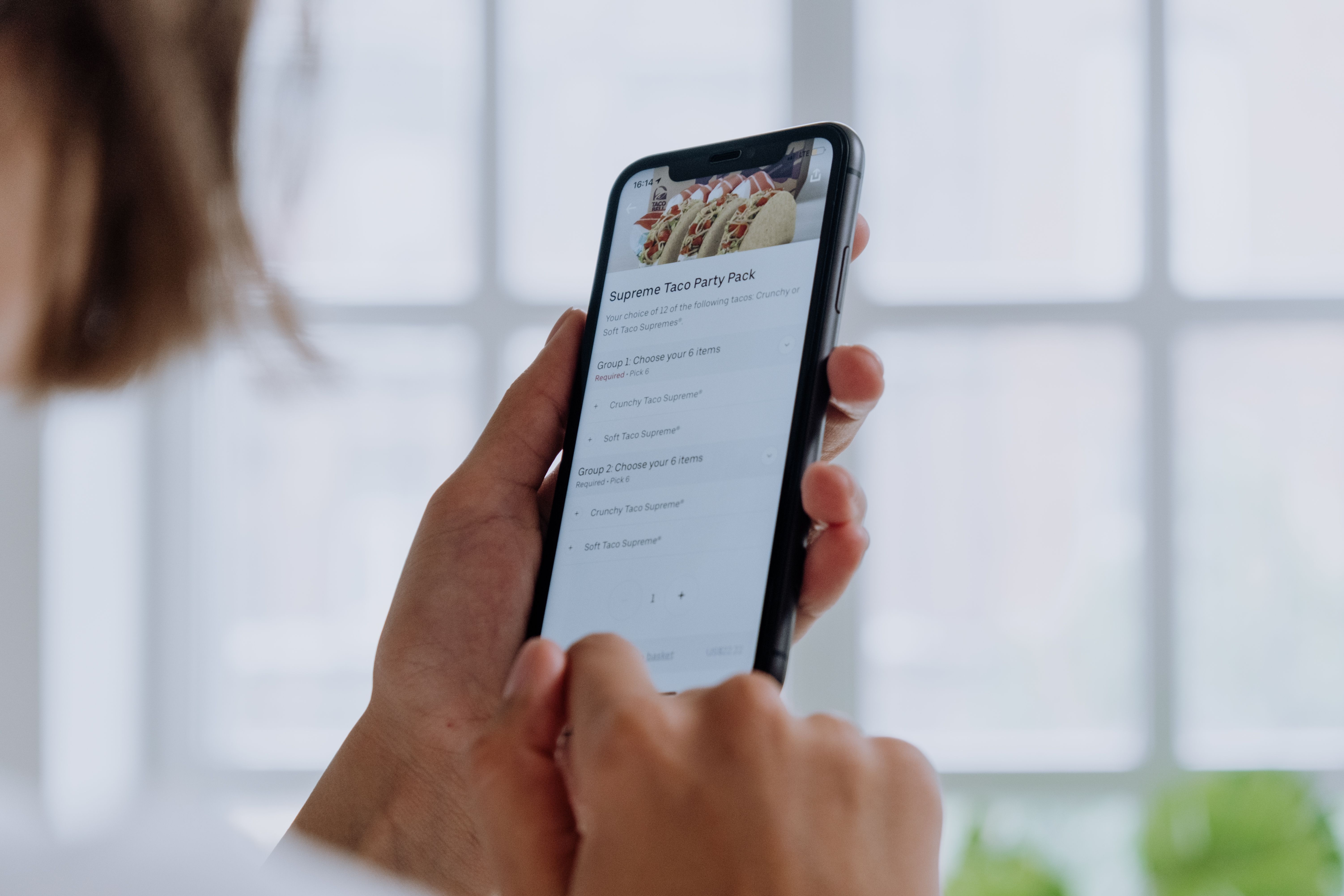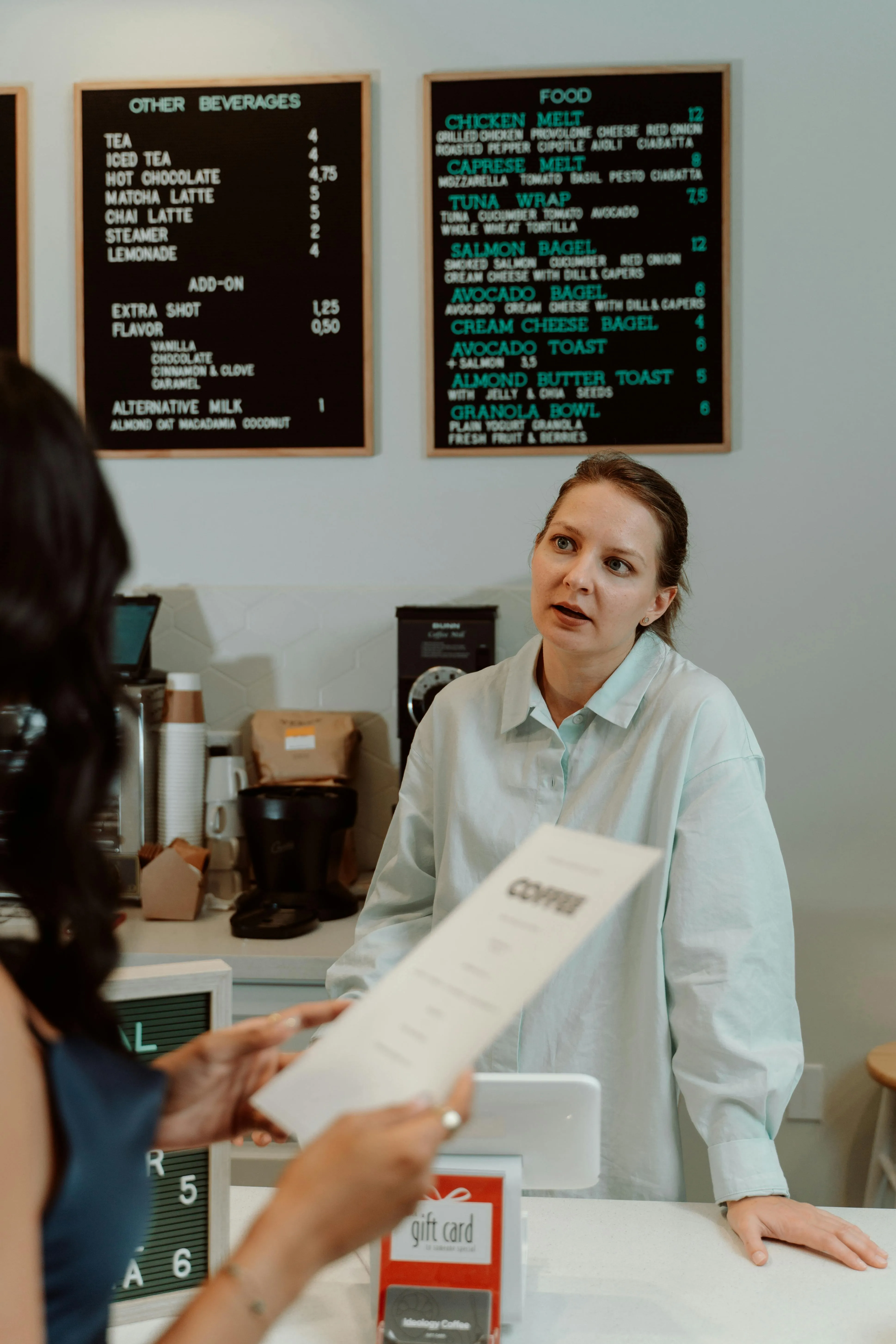
The debate between digital and paper menus isn't about choosing technology over tradition. It's about understanding what actually serves your guests better and drives more revenue for your venue.
The Hidden Costs of Traditional Paper Menus
Paper menus seem inexpensive, until you add up the real costs. Most venues reprint menus 4-8 times per year for seasonal changes, price updates, or general wear. A quality print run for a small venue costs $300-800 each time. Over a year, that's $1,200-6,400 in printing alone.
But the hidden costs are larger:
- Staff time explaining the menu: "What's good here?", "Is this gluten-free?", "What comes with it?", as each question adds 30-60 seconds to the ordering process.
- Out-of-date information: When an item sells out or a price changes mid-service, paper menus create confusion and customer disappointment.
- Missed upsell opportunities: Paper menus can't suggest add-ons, modifiers, or pairings based on what the customer has selected.
- Hygiene concerns: Shared menus are a vector for germs, a concern that hasn't fully disappeared post-pandemic.
What Digital Menus Do Better
Visual Selling
High-quality food photography is one of the most powerful sales tools in hospitality. Digital menus can display photos for every item, creating a visual browsing experience that paper simply cannot match. Venues with photo-rich digital menus report 20-30% higher average order values.
Real-Time Updates
Sold out of the salmon? Toggle it off in seconds. Running a lunch special? Add it with a photo and it's live immediately. Changed suppliers and need to update an allergen? Done, with no reprint required.
Smart Dietary Filtering
Guests with dietary requirements can tap a filter to see only vegan, gluten-free, or dairy-free options. This eliminates the awkward conversation with waitstaff and makes your venue immediately more accessible.
Built-In Upselling
Digital menus can prompt customers at checkout: "Add a side of chips for $5?" or "Upgrade to a large for $2 more?" These suggestions, presented at the right moment, consistently increase average order value without requiring any staff effort.
The Environmental Cost of Printed Menus
Beyond operational and financial costs, printed menus carry a significant environmental burden. Hospitality venues are increasingly conscious of their carbon footprint, and guests are looking to support sustainable businesses.
Consider the lifecycle of a traditional printed menu:
- Lamination and Plastics: To protect menus from spills, most venues laminate them or use synthetic plastic-coated papers. These materials are non-recyclable and take hundreds of years to decompose in landfills.
- Reprint Waste: Every minor price adjustment, menu change, or spelling correction renders an entire batch of printed menus obsolete, sending hundreds of sheets of treated paper directly into the bin.
- Chemical Inks: Commercial printing uses petroleum-based solvent inks that release volatile organic compounds (VOCs) and require chemical wash-offs during printing press cleanup.
Transitioning to digital menus immediately eliminates this waste stream. By hosting your menu online, you significantly reduce paper consumption, shipping carbon emissions from printers, and plastic waste, aligning your venue's operations with modern sustainability values.
Hybrid Menu Adoption Strategy
For venues worried that a complete transition to digital will exclude older demographics or regular guests who dislike mobile phones, we recommend a hybrid transition model for your dining room setup:
- Primary Channel (85% of Tables): Fitted with high-quality QR code stands to capture the vast majority of orders.
- Traditional Option (15% of Tables): Set aside for guests who prefer traditional counter service. If a guest prefers paper, the host hands over a laminated master menu and front-of-house staff process the order manually.
1. Maintain a Few Laminated Master Menus
Keep 5-10 high-quality, cleanly styled physical menus behind the bar or host stand. If a guest does not have a smartphone, has a flat battery, or simply prefers to browse on paper, your team can hand them a physical menu and place the order manually.
2. Leverage Your Staff as Educators
Train your team to assist guests who are hesitant. A simple, helpful gesture makes all the difference: "No worries at all! If you don't want to use the phone, I can run through the specials with you and take your order right here. But if you want to try it, I can show you how to scan it - it takes about 10 seconds and keeps card transactions secure."
3. Track Your Adoption Curve
Most venues find that 70-80% of transactions naturally shift to the QR codes within the first three weeks of setup. This leaves your staff with ample time to cater deeply to the 20% of guests who prefer the traditional, human-led ordering flow.
When Paper Menus Still Make Sense
Paper menus aren't dead, as they serve a purpose in certain contexts. Fine dining restaurants where the menu experience is part of the atmosphere, venues targeting older demographics less comfortable with technology, or locations where phone signal is unreliable might prefer paper.
Many venues find the best approach is hybrid: a digital menu via QR code as the primary ordering method, with a few paper menus available on request for guests who prefer them.
How to Replace Paper Menus Restaurant Wide
If you decide to replace paper menus restaurant wide, you do not need to do it overnight. Start by placing table QR codes alongside your physical menus. As guests naturally gravitate toward the convenience of the digital experience, you'll find paper menu usage drops on its own. Most venues achieve 70-80% digital adoption within the first month, drastically lowering their ongoing print costs.